

Camps Are Engineered Systems, Not Chaos.
Understanding the logistics, public health, and spatial planning behind humanitarian response.
Field Guides & Case Studies

Camp Exhibit Archive
Educational material connected to the MSF-USA exhibit, virtual camp experience, and interpretation of camp life for general audiences.

Shelter & Site Planning
Technical resources on camp layout, family plots, settlement density, drainage, and minimum living standards.

Water, Sanitation & Hygiene
Guidance on safe water supply, slow sand filtration, latrine systems, and environmental health in emergency settlements.

Nutrition, Health & Logistics
Resources on malnutrition response, vaccination support, cold chain operations, and medical supply systems.

Displacement Case Studies
Contextual explainers and case-based analysis of major displacement settings across Africa and other humanitarian contexts.

Teaching & Field Standards
Curriculum-aligned teaching resources, discussion guides, and reference materials for refugee education.
Spatial Organization in Rapid Onset Crises
Unplanned population movements frequently result in spontaneous settlements lacking basic infrastructure. Before formal intervention, these dense environments accelerate the transmission of waterborne diseases and complicate the delivery of emergency rations. The immediate priority for responding agencies is establishing a physical framework that supports human survival.

During the initial engagement phase, site planners focus on topography, drainage, and the equitable allocation of family plots. Establishing clear access roads allows heavy trucks to deliver potable water and construction materials directly to distribution points. Field experience shows that securing this spatial organization early can reduce secondary health emergencies.
Main Point:
Proper spatial allocation is a public health intervention. A well-drained family plot prevents standing water, directly reducing vector-borne disease risks before medical teams even arrive.
Securing the Medical Supply Chain
Displaced communities arrive with acute vulnerabilities. Malnutrition and communicable diseases peak during the first weeks of a crisis, demanding an immediate, high-volume clinical response. Delivering that response requires a logistics network capable of operating entirely off the grid.
Program responses center on establishing robust cold chain operations and clinical triage pathways. Medical logisticians deploy solar-powered refrigeration units and strict inventory controls to protect temperature-sensitive vaccines. Beneficiary reporting confirms that when these supply lines hold, mortality rates among newly arrived refugees stabilize rapidly.

Caution: Cold chain failures in approximately the first 72 hours of a measles outbreak can compromise entire vaccination campaigns, rendering thousands of doses inert.
Bridging Field Realities and Public Education
Educators and journalists often struggle to convey the sheer scale and technical complexity of camp logistics. Without direct field experience, public understanding defaults to simplified narratives of victimhood rather than recognizing the structured, proven systems that sustain life in displacement.
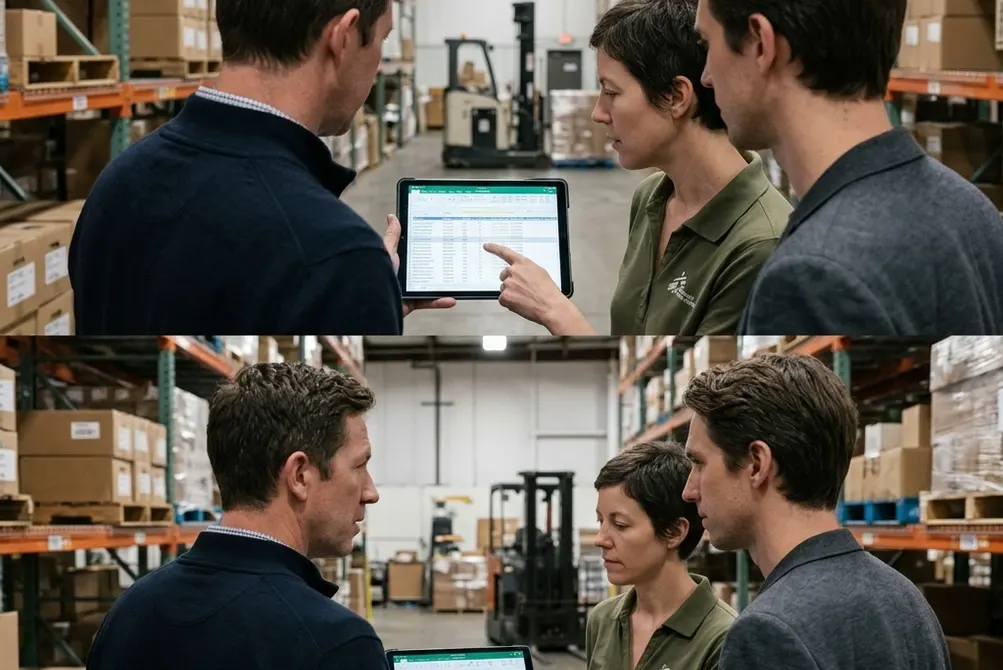
Our archive is maintained by practitioners dedicated to closing this knowledge gap. Wodage Tebeje, a Humanitarian Logistics Researcher, focuses on camp site planning and WASH standards. Emily Beaumont serves as our Camp Planning Analyst, detailing shelter allocation methodologies. Robert Hale, a Health Logistics Strategist, documents the mechanics of emergency medical supply.
The pathway forward relies on curriculum-aligned teaching resources that bring these field standards into university seminars and public discussions. While these logistical frameworks represent optimal baseline standards, field implementation always requires adaptation to local topography and host-country regulations.